
Why We Can’t Wait
Written by: Dr. Martin Luther King, Jr.
Shaun Jones
EMC 3060
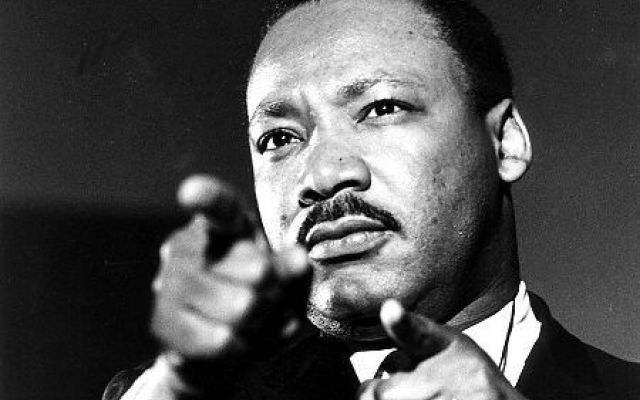
After three and a half centuries of hate, violence, and segregation African Americans faced a brutal and challenging struggle to have the right to be regarded as citizens in America. During incarceration in Birmingham, Alabama Dr. King took time to write the ideas, vision, and strategies pursued during the course of the civil rights movement to bring about change as a national responsibility. The progress of ending injustices was pushed to the forefront of American awareness as Dr. King used the nonviolent approach to express the need for change. Dr. King let his voice be heard to unite the nation in a way unlike any other civil rights leader before him.
What was the courageous vision of Dr. King and how was it played out in Birmingham as the Civil rights movement pushed to the forefront of the American consciousness? Dr. King used the powerful medium of television so American’s could see the brutality and violence against African Americans. This became an eye opening experience of American consciousness as the nation turned on the news and saw the inhumane treatment of kids being viciously attacked by dogs, water hoses, and beaten with nightsticks. Plus the emotional, mental, and spiritual degradation of burning down African American churches and homes.
What was his strategy for bringing about change from the bottom up, and what challenges did he face? Dr. King Stressed on the non-violent right to peacefully protest. One of the most challenging obstacles he faced was the urge to not physically fight back considering the brutality that surely awaited African Americans participating in various protests. Unifying Americans to rally together in the best interest of the nation as opposed to dividing the people allowing them to focus on many issues taking place at the time.
Dr. King faced many obstacles on all fronts dealing with the federal and local government as they passed laws to slow the movement down. He continued urging African Americans to obey the law but also to have a moral responsibility to disobey unjust laws aimed at degrading human personality. Not to mention the sacrifice of filling jails at the risk of losing jobs as well as raising bail money to get participants and Dr. King himself out of unfair incarceration. One of the main strategies was getting churches of all denominations and the youth involved.
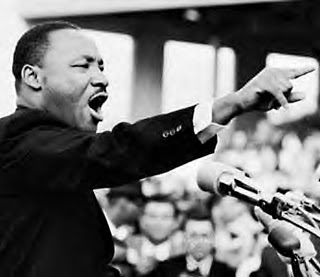
What are the gripping truths that Dr. King’s treatment Highlights? It’s been one hundred years since The Emancipation Proclamation and African Americans at that time were still searching for basic freedoms as citizens. Dr. King stressed that we must face social inequalities and injustices not only in the south, but everywhere together as a nation. It’s not going to be an easy process, but a long uphill battle in which the work is never done.
Related Links: Hidden Values in Dr. Seuss books. Movie review on Taken 3
What are the ideas King is trying to get across? Sooner or later all peoples of the world will have to live together in peace. The idea stresses that progress would come through nonviolence in violent times. Dr. King is magnificent in understanding the progress that has been made before him, the indifferent approaches for good or bad and, the struggles it took to get to his movement.
• Booker T. Washington’s approach (during the days of reconstruction) of being content left African Americans feeling too little freedom and insufficient promise in the future.
• Dr. W.E.B. DuBois at the turn of the century called into action the rise of the “Talented Tenth” or aristocratic elite who would benefit and guide while leaving behind ninety percent of the “untalented” African Americans.
• Marcus Garvey came after World War I appealing to the virtue of African Americans. Rejecting the notion of inferiority giving African Americans a sense of pride in their heritage. However, his call for a return to Africa after three and a half centuries in America would be the doom of his movement.
• For the next thirty years after Garvey the National Association for the Advancement of Colored People (NAACP) under strong leadership relied on the constitution and federal laws. Although, the NAACP won many victories in the courts most notably the right for African Americans to vote and equal education decisions. The nation failed to implement the laws leaving African Americans in a crisis against Jim Crow laws.
The reality is we now have more African Americans incarcerated in prisons in this day and age than we ever had in times of slavery. With police officers shooting unarmed African American suspects and the Ku Klux Klan (KKK) having rallies to impute fear within the African American community, discrimination and hate has become a plague against the whole nation. In essence the struggle for civil rights will continue.

