

With medical marijuana bills breaking new grounds in the Tennessee legislature, several questions remain as to who will benefit. With tougher regulations on medical marijuana than any other state, some patient’s relief at this point is better than no relief at all amongst the continuing debate.
Senate Bill no. 1248. House Bill no. 1284
Election time is just around the corner and the whole nature of the public and political attitudes about medical marijuana have changed. With a third of Tennesseans facing cancer in their lifetime and over 70% of Tennesseans in favor of medical marijuana laws, lawmakers are faced with a daunting task. An agreement on medicinal cannabis was brought forth by the republican legislators to be voted on this year. The fact that representative Sherry Jones has had medical marijuana on the ballet for the last ten years should give you a since of their urgency regarding patient suffering.
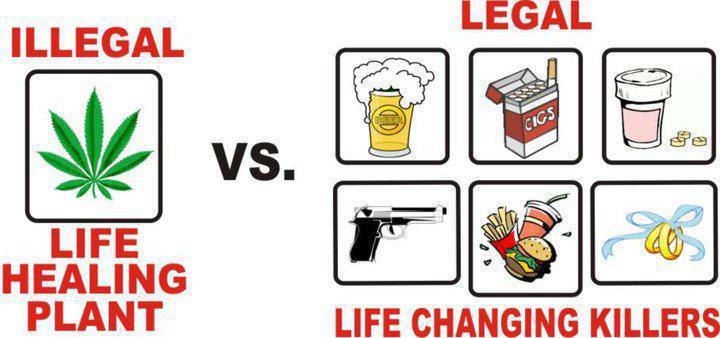
Don’t get your hopes up just yet, on a federal level marijuana is labeled as a schedule I drug(has no medical use in treatment under medical supervision in the United States). To give you a since of where the federal government stands, that puts marijuana in a more worse category than cocaine, methamphetamine (Meth), and morphine. Currently, they are labeled as schedule II drugs(a substance that has a high potential of abuse, but has accepted medical uses in the United States). Alcohol and tobacco are legal with no proof of medicinal purposes.
Debilitating medical condition means:
- Stage II-IV terminal cancer
- Parkinson’s disease
- Multiple sclerosis
- Seizures diagnosed from epilepsy
- Crohn’s disease
- Huntington’s disease
Palliative use means any terminal health condition
Approved delivery methods:
- Vaporization
- Oils
- Transdermal patches
Below is a link to the latest amended bill explaining the various requirements for patients, organizations and their prospective employees by the times free press.
The Patients
Marijuana is a far safer drug in comparison to the heavily abused prescription painkiller here in Tennessee. With over 30,000 Tennesseans facing terminal illness or life threatening ailments, the limitations are non-beneficial when you consider seriously ill patients criminals for trying a safer alternative to pharmacy prescriptions.
According to the Center for Disease Control and Prevention, “Every day in the United States, 113 people die as a result of drug overdose, and another 6,748 are treated for the misuse or abuse of drugs. Nearly 9 out of 10 poisoning deaths are caused by drugs. In 2011, of the 41,340 drug overdose deaths in the United States, 22,810 (55%) were related to pharmaceuticals.”
With the improvements in technology and research it is a shame to watch loved ones suffer. Physicians and patients need to be empowered with all of the choices to sustain a better quality of life. Under the proposed bill, medical marijuana will not be available for soldiers returning home with PTSD, chronic pains, or glaucoma. Also, anyone under the age of 18 must have a debilitating medical condition that is diagnosed by a physician and have a primary caregiver. In addition, patients must go before an eight panel board and a commissioner to determine if they are eligible. The board convenes four times a year to conduct hearings to accept petitions.

The Organizations
According to the bill, Tennessee shall have no less than 6 and no more than 12 registered organizations to oversee the cultivation, selling, delivery, and transportation of marijuana within the state. Also, a non-refundable $50,000 application fee for each application submitted will be required. The prospective applicant must be an expert in agriculture and qualified to cultivate cannabis in an indoor facility.
Organizations must establish health, safety, and security requirements to control against theft or loss of cannabis and renew their business license every 5 years to stay qualified. Approved Tennessee businesses must demonstrate their financial capability to build and operate a production facility as well as maintain an escrow account in the amount of $1,000,000.00 at all times. These heavy demands far exceed the majority of small farmers here in our state and their ability to operate and compete for business.
In conclusion, the strict requirements for patients and firm policies for organizations make the idea of a better quality of life here in the state of Tennessee a long shot.

